After the Storm, Why Conditions Differed in Lānaʻi City
written & photographed by Anthony Kaauamo
During the recent record-breaking Kona storms, communities across the islands faced devastating conditions. From the mud-filled streets of Oʻahu’s North Shore to the destructive flooding in South Maui and the landslides on the Big Island, many areas saw homes inundated and infrastructure overwhelmed. However, despite being in the center of the same storm system, Lānaʻi City avoided these catastrophic outcomes.
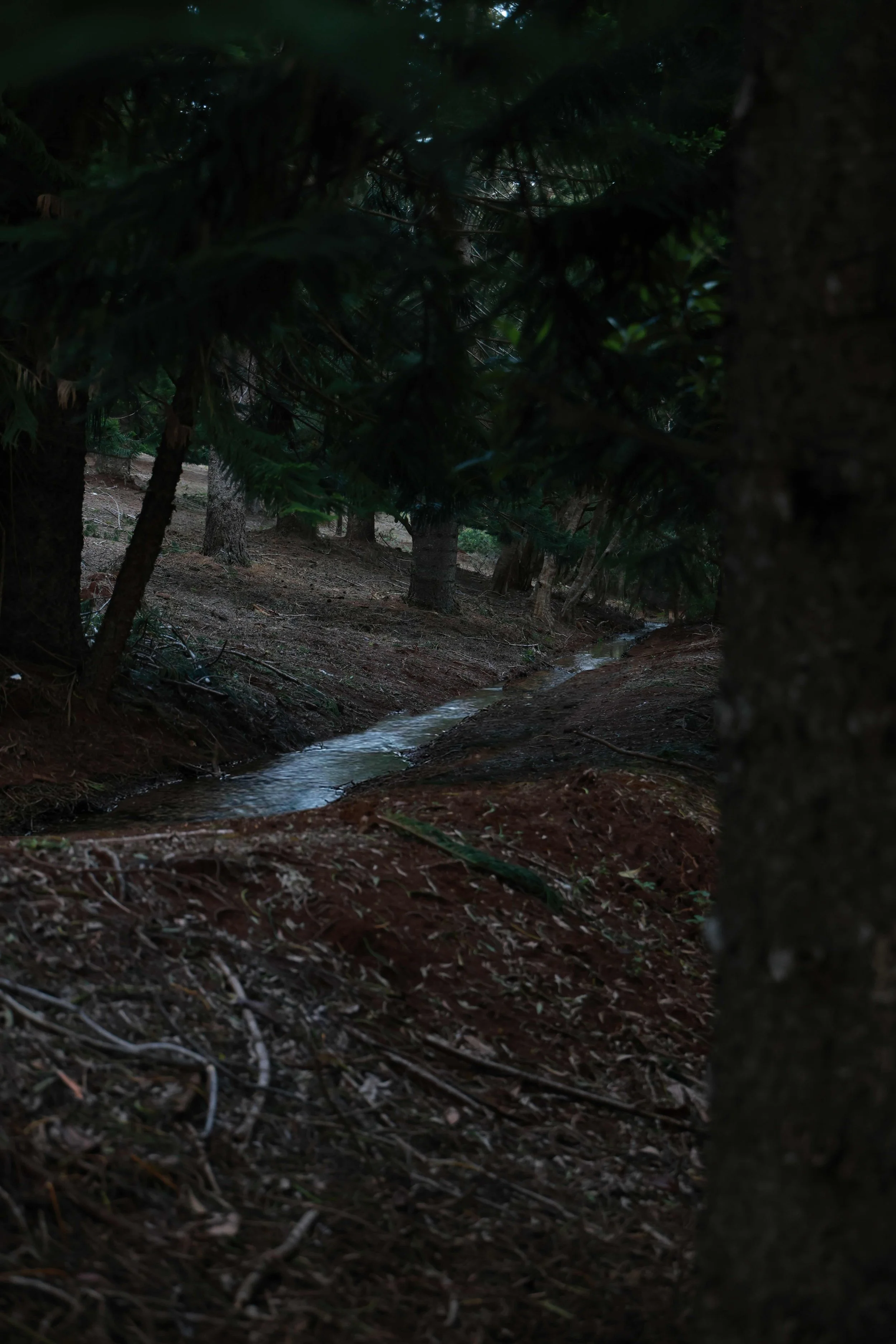
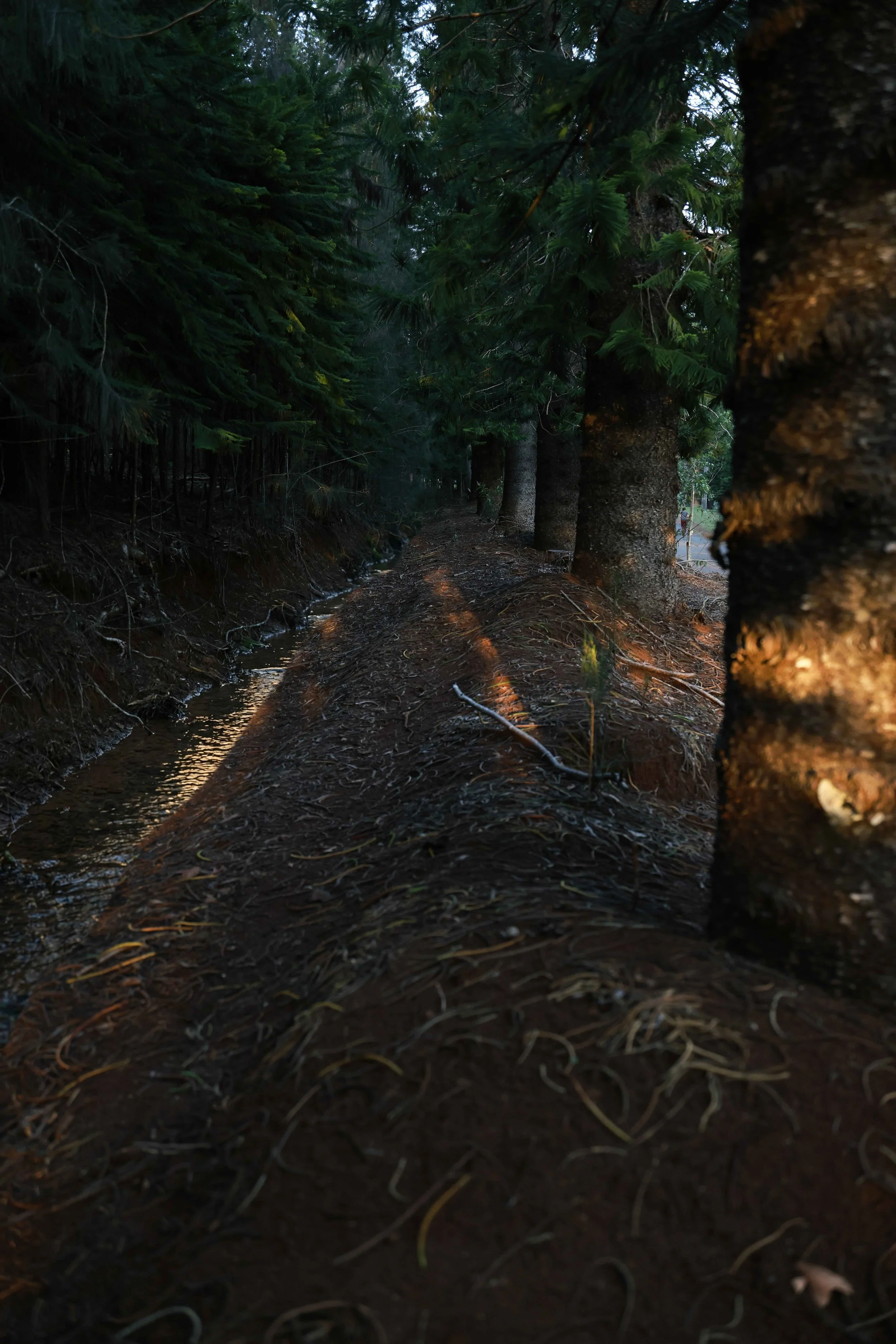
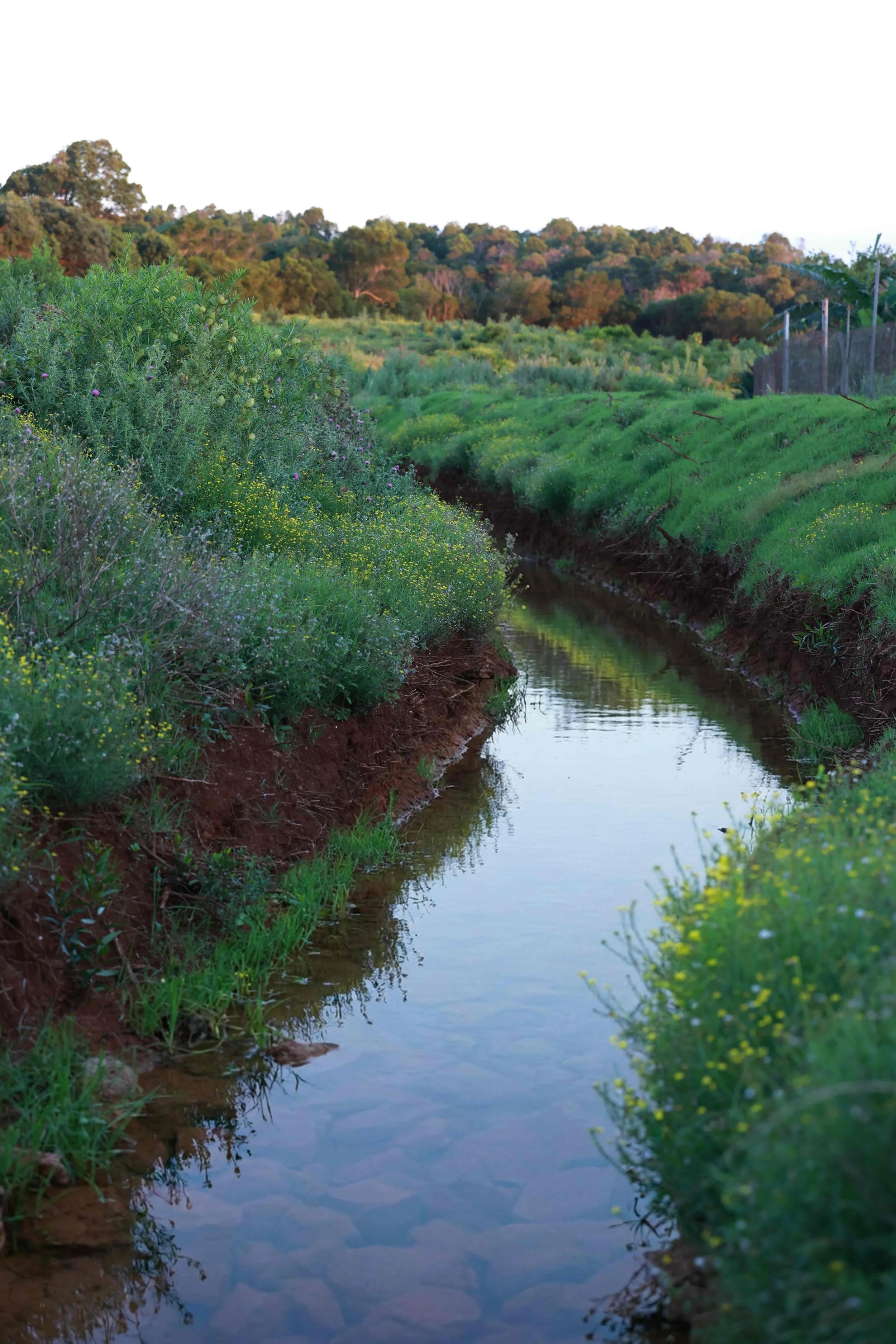
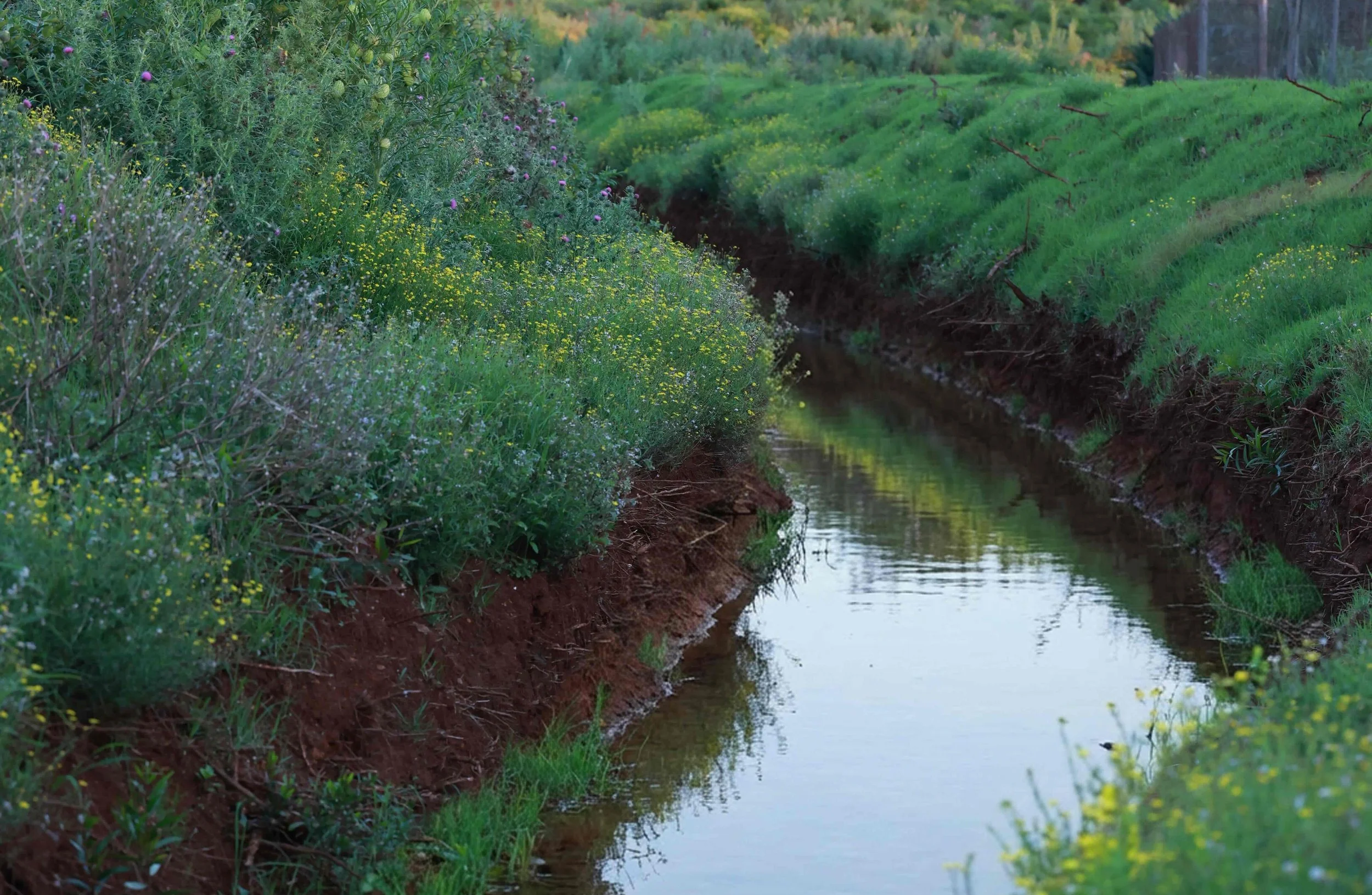
The town’s resilience is a product of both geography and intentional design. Unlike communities built in the crosshairs of natural floodplains or at the base of unchecked runoff paths, the town is positioned away from major natural drainage tracks and is shielded by a series of engineered hillside channels known as swales. These swales—broad, grass-lined ditches designed to guide water—act against heavy rainfall.
Keo Sanches, a licensed civil engineer with Jacobs Engineering Group who works on utility projects, including water, stormwater, and sewer systems, as well as environmental permitting, said these features are positioned to intercept runoff before it reaches homes or businesses. “It’s like a conveyance system for rainwater,” Keo said.
By placing these swales along the lower portion of an incline where water begins to concentrate, the flow is redirected into other parts of the drainage system rather than continuing into residential areas.
“If we don’t have that swale to intercept, the water is not just regular rainwater coming down onto people’s properties,” Keo said. “It’s like a river coming down, and that’s even worse because now we’re talking about water with velocity.”
Data from the Hawaiʻi Climate Data Portal places Lānaʻi in the approximately 300 to 400 percent of average rainfall range during the March 10 to 23 storm period. As much of Hawaiʻi experienced well above average rainfall, some areas recorded up to 77 inches over 14 days, conditions that tested drainage systems across the state, including those above Lānaʻi City.
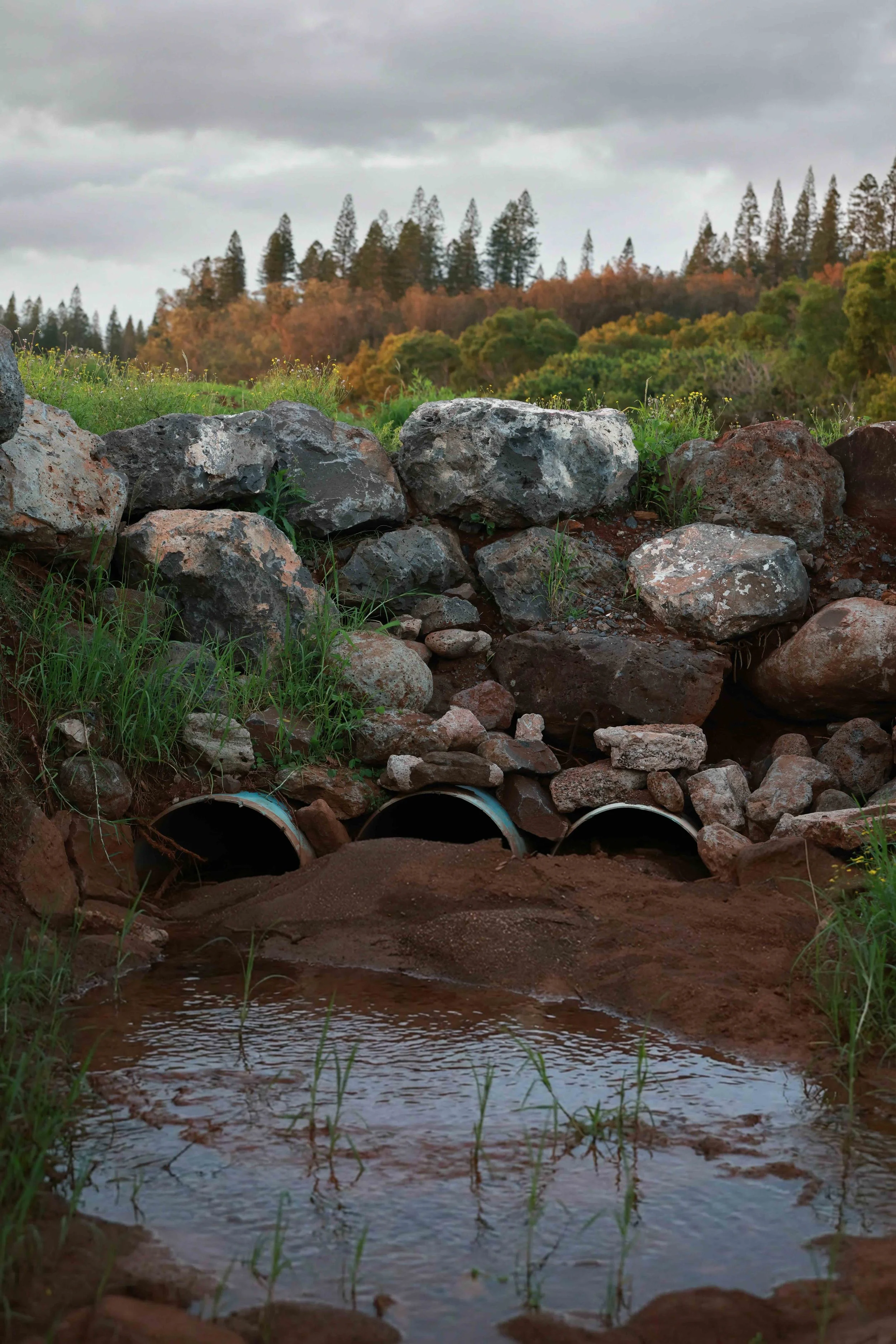
“You don’t want debris anywhere near your storm drain structures because once it clogs, now we have to send people to try to unclog it,” Keo said. A swale is highly effective, but its performance depends on whether water can be directed before reaching developed areas. “The main thing we can do is just prepare by making sure all of the drainage systems are ready to go,” he said.